Optimal Seasons for Fence Service
Fence service involves installation, repair, and maintenance to ensure durability and aesthetic appeal. Proper timing can extend the lifespan of fencing and improve its functionality. Understanding seasonal considerations and weather patterns is essential for scheduling fence work effectively.
Spring is ideal for fence repairs and maintenance after winter weather. It allows for timely addressing of damage and preparing fences for the warmer months.
Summer offers longer daylight hours and warm weather, making it suitable for new fence installations and extensive repairs.
Fall is a good time to inspect and perform minor repairs before winter. It helps prevent damage caused by cold weather and moisture.
Winter is generally less suitable for fence work due to cold temperatures and snow, which can hinder installation and repair processes.
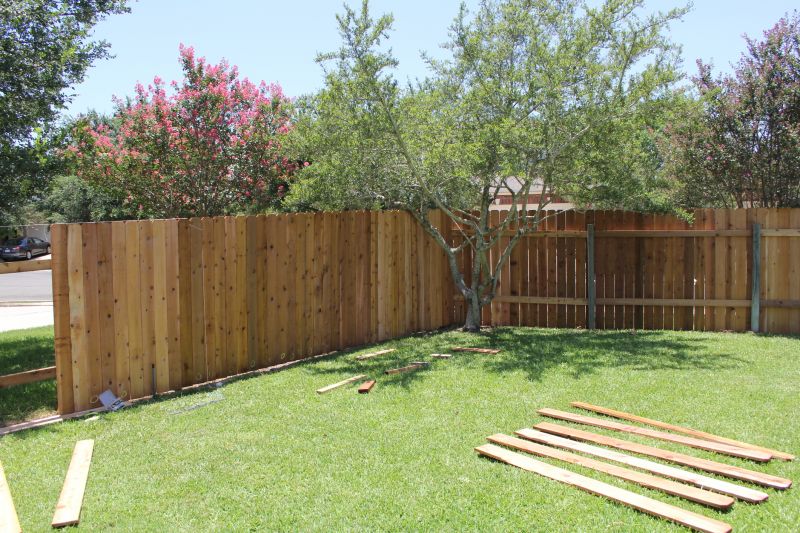
Ways to make Fence Service work in tight or awkward layouts.
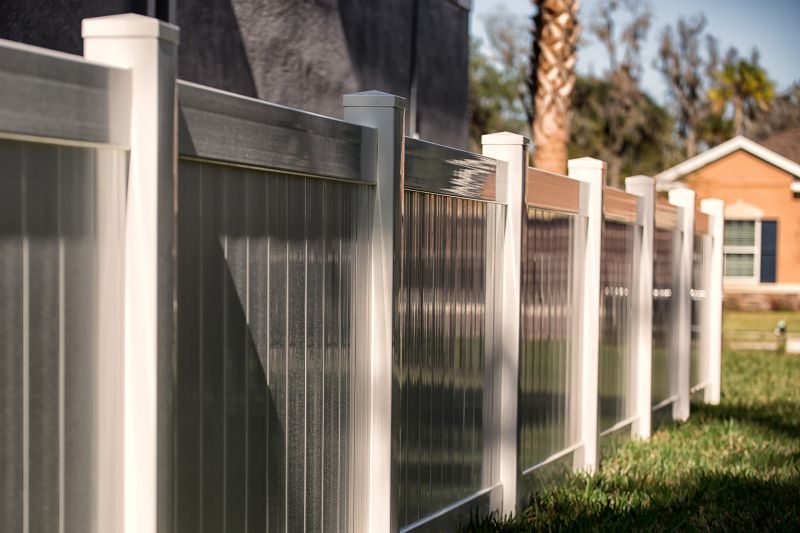
Popular materials for Fence Service and why they hold up over time.

Simple add-ons that improve Fence Service without blowing the budget.
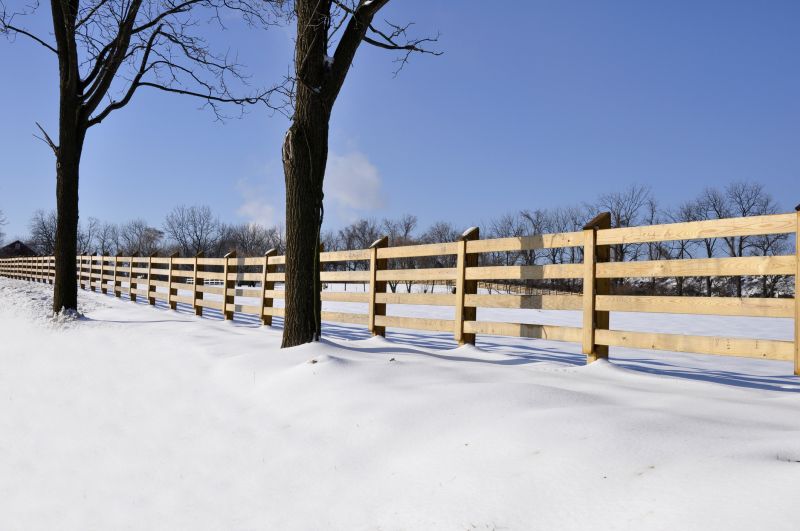
High-end options that actually feel worth it for Fence Service.
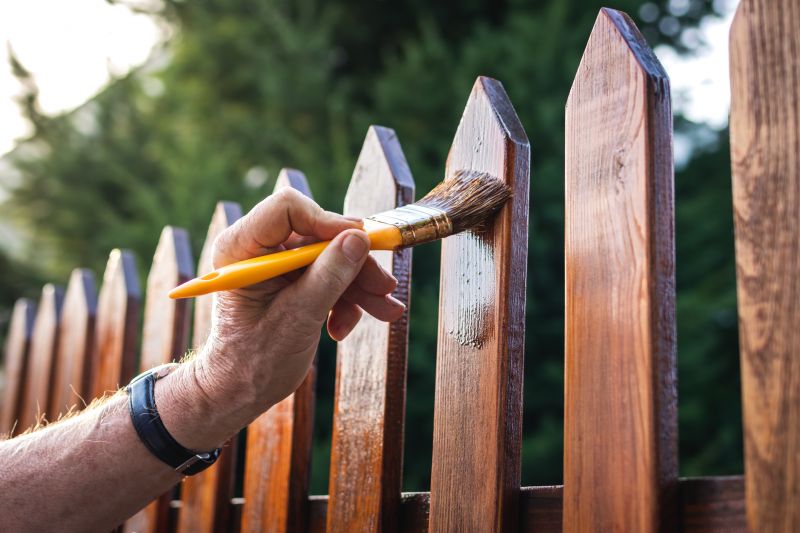
Finishes and colors that play nicely with Fence Service.
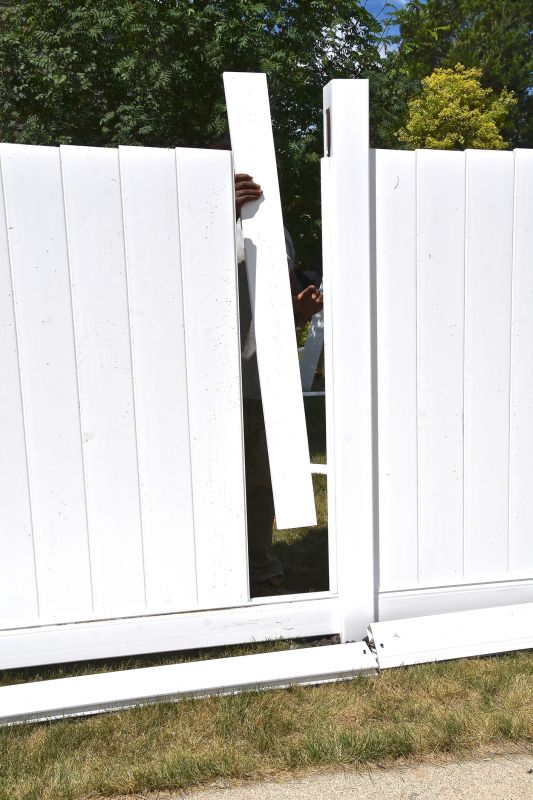
Little measurements that prevent headaches on Fence Service day.
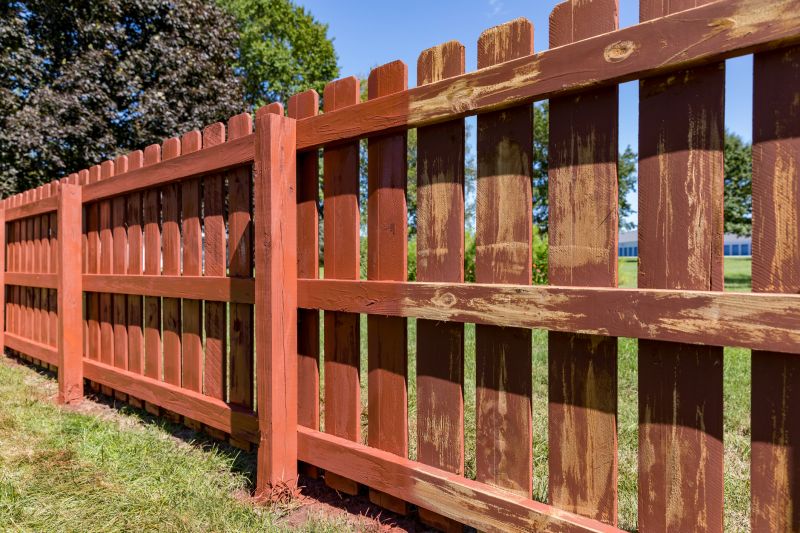
A 60-second routine that keeps Fence Service looking new.
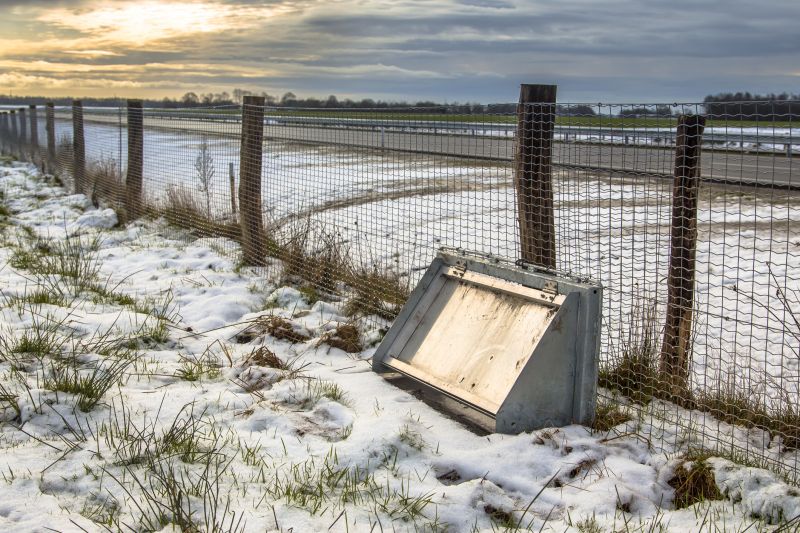
A frequent mistake in Fence Service and how to dodge it.
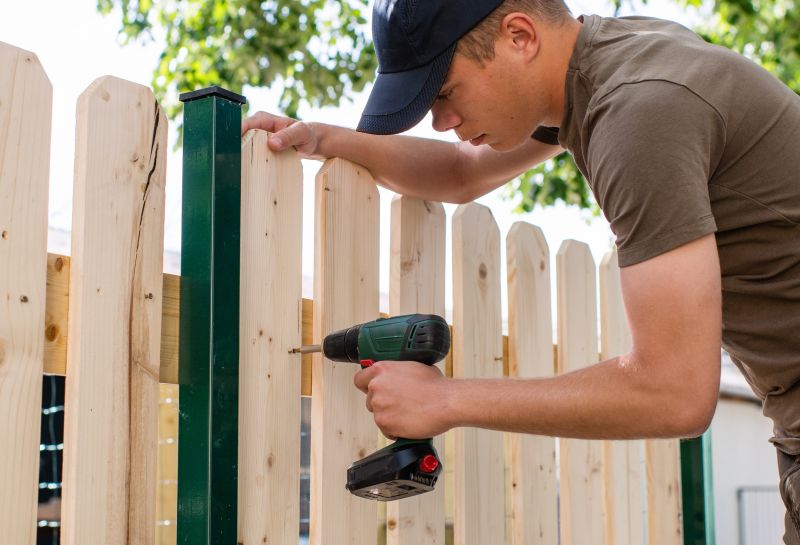
Small tweaks to make Fence Service safer and easier to use.
| Season | Best Activities for Fence Service |
|---|---|
| Spring | Repair damage from winter, prepare for summer, repaint or stain. |
| Summer | Install new fences, perform extensive repairs, enhance aesthetics. |
| Fall | Inspect for damage, perform minor repairs, protect before winter. |
| Winter | Limited activity, focus on inspections and planning for spring. |
Fence service is a crucial aspect of property maintenance, contributing to privacy, security, and property value. Proper timing ensures that fences remain in good condition, resisting weather-related wear and tear. Seasonal considerations can influence the quality and longevity of fencing work, making it essential to plan according to local climate patterns.
In regions like Rock Hill, South Carolina, mild winters and warm summers create favorable conditions for fence installation and repair during most of the year. Regular inspections and timely maintenance can prevent costly repairs and extend the lifespan of fencing materials. Statistics indicate that fences installed or maintained in spring and summer tend to last longer and require fewer repairs over time.